
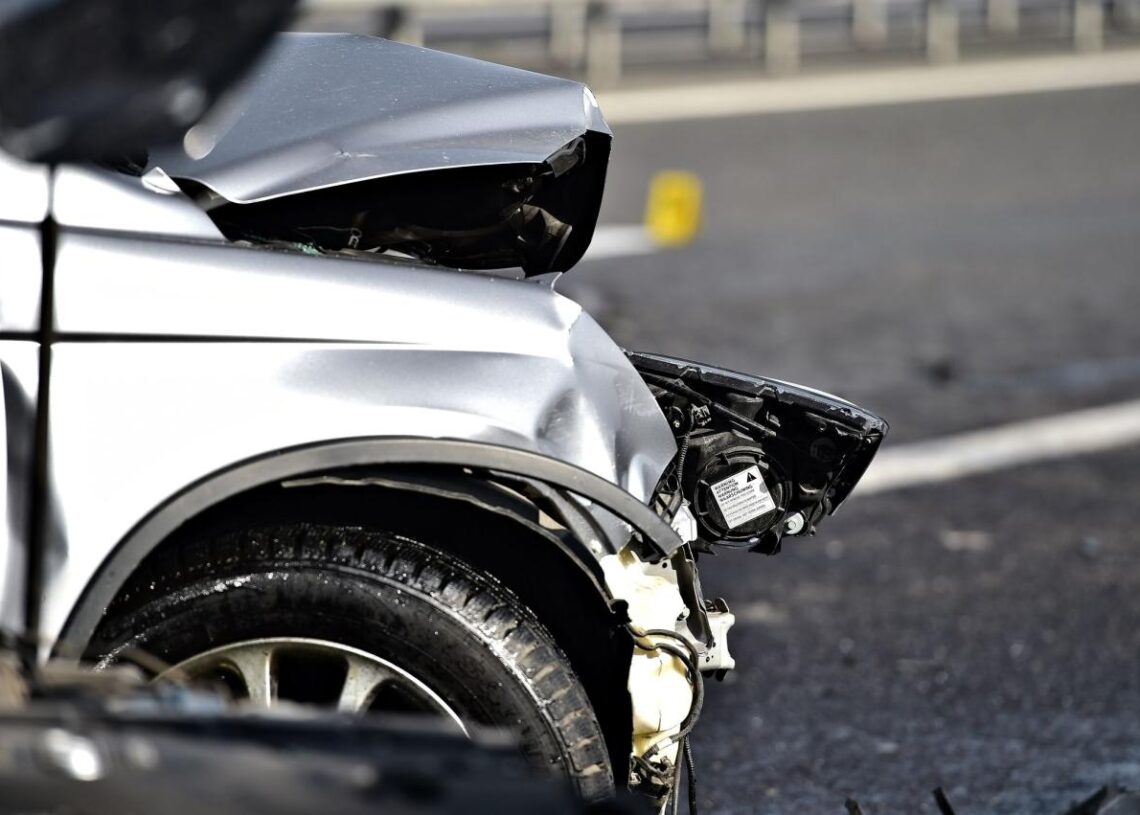
Introduction: Navigating the Aftermath of an Automobile Accident
A car accident is more than just a jarring physical event; it often initiates a complex, intimidating legal and financial process. Victims face immediate challenges: medical treatment, vehicle repair, and, critically, dealing with stubborn insurance companies. Understanding the legal framework governing compensation is paramount to securing a fair financial recovery. The title, Expert Lawyers Explain Car Accident Claims Process, underscores the critical need for professional guidance in this often-turbulent journey.
This definitive guide, written from the perspective of experienced legal professionals, is designed to demystify the entire car accident claims procedure. We will provide a step-by-step analysis of the legal requirements, investigative tactics, negotiation strategies, and court processes involved in securing due compensation for injuries and damages. By breaking down the complexities of liability, negligence, and damages, this resource empowers accident victims to make informed decisions, maximizing their claim value while attracting high-value, solution-focused search traffic essential for high Google AdSense returns.
Immediate Post-Accident Legal and Factual Steps
The actions taken immediately following an accident are crucial and can make or break the subsequent legal claim.
A. Prioritizing Safety and Medical Treatment
Your health and safety must always be the first priority, but these actions also create vital evidence.
-
A. Seek Immediate Medical Attention: Even if injuries seem minor, a medical evaluation is mandatory. Refusal to see a doctor can be used by the insurance company to argue that your injuries were not serious or were unrelated to the crash. Medical records form the backbone of the damages component of your claim.
-
B. Contact Law Enforcement: File an official police report. This report is a crucial, neutral source of evidence that establishes the facts, location, time, and, often, the initial finding of fault, which is invaluable in liability disputes.
-
C. Document the Scene Extensively: Use your phone camera to take pictures of:
-
Vehicle Damage: Close-ups and wide shots showing the impact and the final resting positions of all vehicles.
-
Scene Details: Skid marks, road conditions, traffic signals, and any debris.
-
Witnesses: Obtain full names, phone numbers, and addresses of any eyewitnesses before they leave.
-
B. Understanding Reporting Obligations and Communication
How and what you communicate after the accident is under intense scrutiny by insurers.
-
A. Notify Your Insurer Promptly: You have a contractual obligation to notify your own insurance company. However, be cautious about what details you provide. Stick only to the facts (time, place, parties involved).
-
B. Avoid Contact with the At-Fault Driver’s Insurer: Never speak in detail, give a recorded statement, or sign any documents (including medical releases) from the opposing insurance company without first consulting a lawyer. Their goal is to find reasons to deny or minimize your claim.
-
C. Refrain from Social Media Discussions: Any statement you make on social media—even a seemingly innocent comment about feeling “fine”—can be taken out of context and used as evidence to diminish the severity of your injuries.
 Establishing Liability and Negligence
A successful car accident claim hinges on proving the other party was negligent and that their negligence directly caused your injuries and damages.
A. Defining Negligence in Traffic Accidents
Negligence is the legal theory used to hold the at-fault driver responsible. It generally requires proving four elements:
-
A. Duty of Care: The defendant owed a legal duty to the plaintiff (e.g., every driver has a duty to operate their vehicle safely and follow traffic laws).
-
B. Breach of Duty: The defendant breached that duty (e.g., ran a red light, was texting while driving, or was speeding). This is the act of negligence.
-
C. Causation: The defendant’s breach of duty was the direct and proximate cause of the accident.
-
D. Damages: The plaintiff suffered actual, measurable damages (e.g., physical injuries, medical bills, property damage).
B. Investigative Techniques Used by Lawyers
Effective lawyers utilize advanced investigative methods to secure evidence beyond the initial police report.
-
A. Black Box Data Retrieval: Modern vehicles are equipped with Event Data Recorders (EDRs) that capture crucial information immediately before the crash, such as speed, braking, steering input, and seatbelt usage. Lawyers quickly move to preserve and retrieve this data.
-
B. Expert Witness Consultation: Accident reconstruction specialists can analyze skid marks, vehicle dynamics, and damage patterns to provide expert testimony regarding speed and points of impact, definitively establishing fault.
-
C. Traffic Camera and Business Surveillance Footage: Obtaining video evidence from nearby businesses or traffic light cameras often provides irrefutable proof of how the accident occurred, overcoming conflicting eyewitness accounts.
-
D. Driver History and Background: Investigating the at-fault driver’s prior driving record (DUIs, excessive tickets) can sometimes reveal a pattern of reckless behavior, supporting a claim for punitive damages in extreme cases.
C. Understanding Comparative and Contributory Fault
The location of the accident dictates how your own potential fault impacts your ability to recover compensation.
-
A. Pure Comparative Negligence (Most States): You can recover damages even if you are partially at fault, but your recovery is reduced by your percentage of fault. (e.g., If your damages are $100,000 but you were found 20% at fault, you recover $80,000).
-
B. Modified Comparative Negligence (Many States): You can recover damages only if your fault is below a certain threshold (usually 50% or 51%). If you meet or exceed that threshold, you recover nothing.
-
C. Contributory Negligence (Few States, notably VA, MD, NC): If you are found to be even 1% at fault, you are completely barred from recovering any damages. This draconian standard makes legal representation essential.
Calculating and Maximizing Damages (The Compensation Phase)
The ultimate goal of a claim is to secure financial compensation (Damages) sufficient to make the victim whole again.
A. Economic Damages (Special Damages)
These are quantifiable, measurable losses directly stemming from the accident.
-
A. Medical Expenses: Includes all past, present, and reasonably projected future costs related to the injury, such as hospital stays, doctor visits, surgery, physical therapy, medication, and specialized equipment.
-
B. Lost Wages and Loss of Earning Capacity: Compensation for income lost while recovering. For permanent injuries, this includes the Loss of Earning Capacity, which calculates the estimated income the victim will lose over their lifetime due to a diminished ability to work.
-
C. Property Damage: The cost to repair or replace the damaged vehicle, including towing and rental car expenses.
B. Non-Economic Damages (General Damages)
These are subjective, non-measurable losses related to the accident’s impact on the victim’s quality of life.
-
A. Pain and Suffering: Compensation for the physical pain, discomfort, and emotional distress endured from the moment of the accident onward.
-
B. Emotional Distress: Includes anxiety, depression, PTSD, or fear of driving resulting from the traumatic event.
-
C. Loss of Consortium/Enjoyment of Life: Compensation for the inability to participate in activities or relationships that brought joy before the injury (e.g., inability to play sports, care for children, or engage in intimacy).
C. The Multiplier Method and Per Diem Calculation
Lawyers often use formulas to estimate the monetary value of non-economic damages for negotiation purposes.
-
A. The Multiplier Method: Economic damages (total medical bills + lost wages) are multiplied by a number (the multiplier, usually between 1.5 and 5) based on the severity of the injury, prognosis, and liability clarity. A clear case with severe, permanent injury warrants a higher multiplier (e.g., 5).
-
B. Per Diem Method: Calculating a specific dollar amount for each day the victim experiences pain or suffering, typically from the date of the injury until the victim reaches Maximum Medical Improvement (MMI).
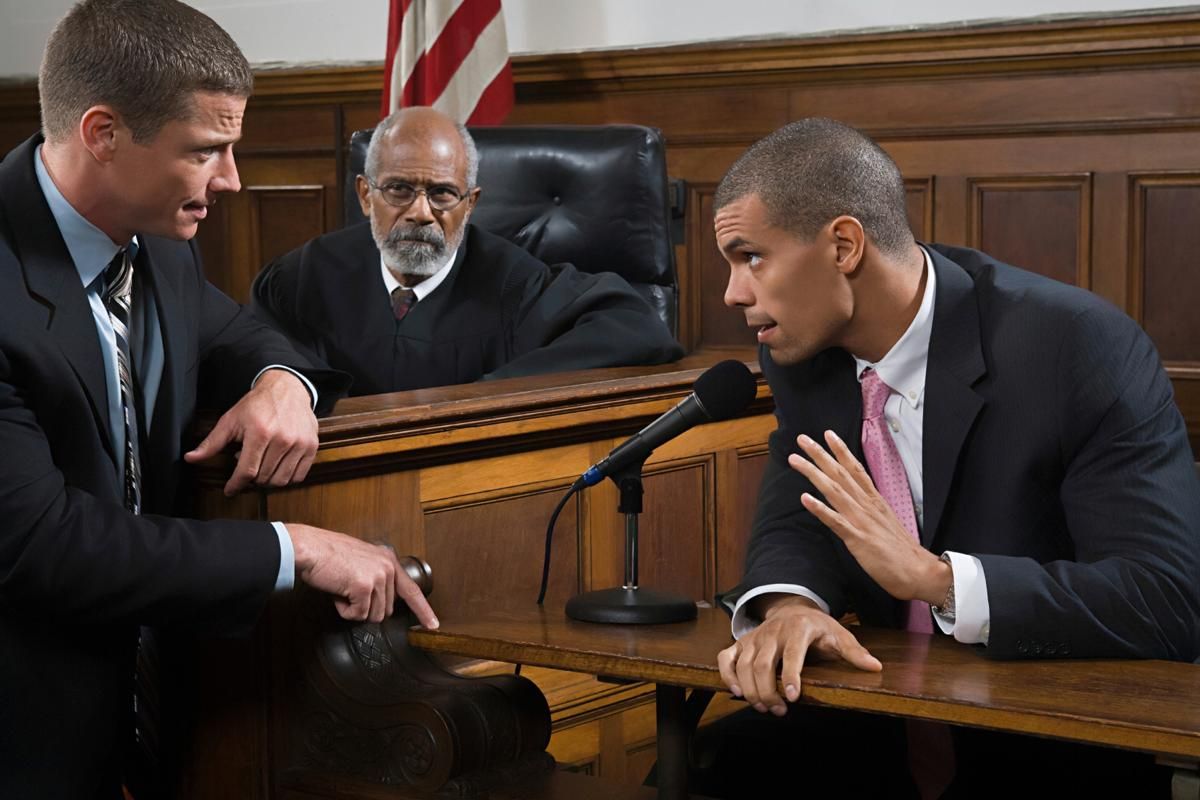 The Litigation and Settlement Process
Most cases settle out of court, but the threat of litigation is the key leverage point.
A. Initial Claim Submission and Insurance Negotiation
This is the phase where the lawyer presents the demand package to the insurance company.
-
A. The Demand Letter: A comprehensive document prepared by the lawyer, detailing the facts of the case, the legal theories of negligence, the full extent of the victim’s injuries (supported by medical records), and the total financial demand (including economic and non-economic damages).
-
B. The Initial Offer: Insurance companies rarely offer fair compensation initially. Their first offer is typically a low-ball figure designed to test the claimant’s patience and legal preparedness.
-
C. Negotiation and Mediation: The lawyer engages in a back-and-forth negotiation with the adjuster. If an impasse is reached, the parties often attend a formal or informal mediation session with a neutral third party to facilitate a compromise.
B. Filing a Lawsuit (Litigation Phase)
If negotiations fail or the statute of limitations is approaching, a lawsuit is filed.
-
A. Complaint Filing: The lawyer files the official complaint with the appropriate court, initiating the formal lawsuit.
-
B. Discovery Process: This formal investigation phase allows both sides to gather evidence through:
-
Interrogatories: Written questions served on the opposing party.
-
Requests for Production (RFP): Demands for documents (e.g., emails, phone records, medical bills).
-
Depositions: Out-of-court, sworn oral testimonies taken under oath.
-
-
C. Motion Practice: Lawyers file various motions (e.g., motions to dismiss, motions for summary judgment) to shape the scope of the trial.
C. Trial and Verdict
If no settlement is reached, the case proceeds to a jury or judge trial.
-
A. Jury Selection: Lawyers from both sides question potential jurors to select an impartial jury (Voir Dire).
-
B. Presentation of Evidence: Both sides present their case through opening statements, direct examination of witnesses, cross-examination, and the introduction of evidence (police reports, medical images, expert testimony).
-
C. Verdict and Appeal: The jury or judge renders a verdict. The losing party often has the right to appeal the decision based on perceived errors of law.
Conclusion
The journey from a traumatic car accident to a fair financial settlement is fraught with legal pitfalls and adversarial insurance practices. Attempting to handle a complex personal injury claim alone subjects the victim to significant financial risk, as insurance adjusters are trained to minimize payouts. By engaging an experienced legal team early on, accident victims secure the necessary expertise in investigation, negotiation, and litigation.
This strategic partnership ensures that liability is firmly established, damages are meticulously calculated to reflect both economic and non-economic losses, and the case is maximized to the fullest extent possible under the law, ultimately delivering the justice and compensation necessary for recovery and long-term financial stability.