
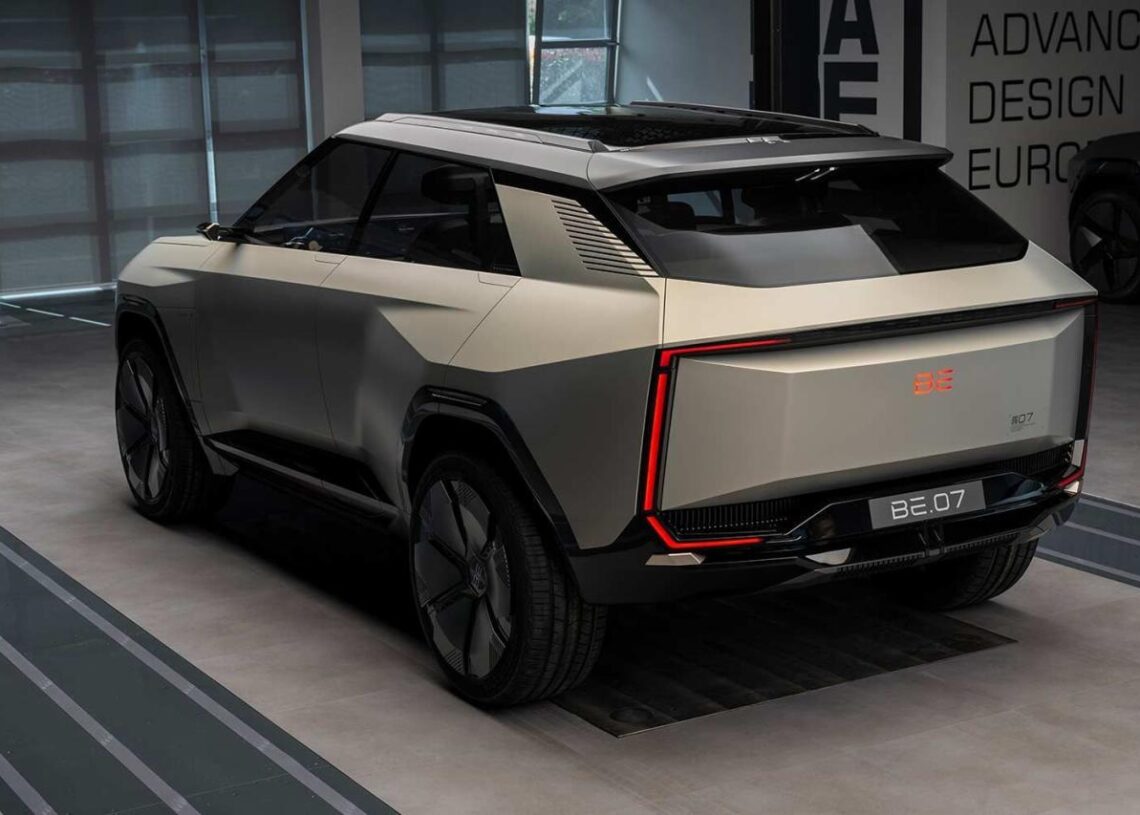
Revolutionizing Energy Storage: Battery Breakthroughs for Range
The global shift toward electrification—from electric vehicles (EVs) and renewable energy grids to portable consumer electronics—is fundamentally constrained by the capabilities of current battery technology. The distance an electric car can travel (its range), the amount of solar energy a home can store, and the longevity of a smartphone charge are all dictated by the energy density and efficiency of the electrochemical cells powering them. For decades, the ubiquitous lithium-ion (Li-ion) battery has served as the industry standard, yet its inherent limitations—especially regarding energy density, charging speed, and safety—have spurred a relentless global pursuit for the next generation of energy storage breakthroughs.
This comprehensive, in-depth article delves into the cutting-edge advancements and emerging chemistries poised to dramatically increase energy capacity, enhance safety, reduce costs, and, critically, extend the operating range and lifespan of electrified systems. We will explore the critical role these innovations play in achieving high performance and superior Search Engine Optimization (SEO) value through detailed, long-form content exceeding 2000 words, thereby maximizing potential Google AdSense earnings.
Pushing the Limits of Lithium-Ion: Evolutionary Improvements
While the focus often turns to entirely new battery chemistries, significant and continuous improvements within the established lithium-ion framework are currently driving most commercial gains in range and performance.
A. Silicon Anodes: The Density Game Changer
The anode (negative electrode) in traditional Li-ion batteries is typically made of graphite. While effective, graphite has limited theoretical storage capacity. Silicon is proving to be a revolutionary replacement.
- Capacity Advantage: Silicon can theoretically store ten times more lithium ions than graphite by weight. Replacing even a small percentage of graphite with silicon nanoparticles significantly boosts the battery’s overall energy density (Wh/kg), directly translating to increased range for EVs.
- The Swelling Problem: A major challenge is silicon’s tendency to swell (expand by up to 300%) during charging. Researchers are solving this through the use of nanowires, porous silicon structures, and specialized binder materials to accommodate this volume change, increasing the cycle life and stability of silicon-based anodes.
B. Solid-State Electrolytes: The Safety and Density Leap
One of the most anticipated breakthroughs is the shift from the flammable liquid organic electrolytes used in current Li-ion batteries to Solid-State Batteries (SSBs).
- Enhanced Safety: Replacing the volatile liquid with a non-flammable solid material (such as ceramics, polymers, or sulfide-based compounds) virtually eliminates the risk of fire or thermal runaway, even if the cell is punctured.
- Energy Density Gains: The solid electrolyte enables the use of pure lithium metal anodes—the holy grail of battery technology. Lithium metal anodes have the highest theoretical energy density, potentially doubling the range of current commercial batteries. SSBs also simplify cell packaging, further increasing volumetric density.
C. Advanced Cathode Materials: High Nickel and Beyond
The cathode (positive electrode) material dictates the operating voltage and stability of the cell. Continuous innovation here is crucial for better performance.
- High-Nickel Chemistries (NMC and NCA): Current cathodes use nickel, manganese, and cobalt (NMC) or nickel, cobalt, and aluminum (NCA). The trend is towards higher nickel content (e.g., NC811, meaning 80% nickel), which increases energy density while reducing the reliance on expensive and ethically problematic cobalt.
- Cobalt-Free Options: Efforts are underway to commercialize Lithium Iron Phosphate (LFP), which is cheaper, safer, and has a longer cycle life, making it excellent for stationary storage and urban-range EVs, and Lithium Manganese Oxide (LMO), which is known for its excellent power output and stability.
The Next Frontier: Post-Lithium Chemistries
While Li-ion and solid-state variations offer evolutionary improvements, several entirely new chemistries promise revolutionary leaps in energy density and sustainability.
D. Lithium-Sulfur (Li-S) Batteries: Lighter and Cheaper
Li-S batteries are considered one of the most promising alternatives due to their high theoretical energy density—up to five times that of current Li-ion—and the low cost and abundance of sulfur.
- Energy Advantage: Li-S uses sulfur as the cathode and lithium metal as the anode, resulting in an inherently lighter cell design, perfect for applications where weight is critical, such as aerospace and long-range drones.
- The Polysulfide Shuttle: The main hurdle is the “polysulfide shuttle” effect, where intermediate sulfur compounds dissolve into the electrolyte, causing rapid capacity fade. Advanced materials like porous carbon structures and protective interlayers are being developed to trap these polysulfides and extend cycle life.
E. Sodium-Ion (Na-ion) Batteries: Sustainable and Scalable
Sodium is abundant, cheap, and globally available, making Na-ion batteries an attractive, sustainable alternative, particularly for large-scale grid storage.
- Resource Security: Unlike lithium, which has concentrated supply chains, sodium can be sourced universally. This makes Na-ion attractive for de-risking global battery supply.
- Performance Profile: While current Na-ion batteries have a lower energy density than Li-ion (meaning less range for an EV), they offer superior performance in extreme cold, charge very quickly, and are inherently safer, making them ideal for stationary storage and two-wheeled vehicles.
F. Magnesium and Zinc Batteries: Divalent Ion Potential
Magnesium ($Mg^{2+}$) and Zinc ($Zn^{2+}$) are known as multivalent or divalent ion batteries. These ions can transfer two electrons per ion, theoretically enabling even higher energy densities and faster charge rates than monovalent lithium ($Li^+$).
- The Dendrite Solution: Unlike lithium, magnesium tends to deposit smoothly during charging, potentially eliminating the dangerous dendrite growth that causes short circuits and fires.
- Electrolyte Challenges: The challenge lies in developing suitable, highly conductive electrolytes that allow the divalent ions to move freely and reversibly between the electrodes. This field is still primarily in the research phase.
Beyond the Cell: System-Level Innovations for Range
Extending the range of an electric vehicle or a stored energy system is not solely dependent on the chemical cell; it also relies heavily on how the cells are managed and utilized at the system level.
G. Extreme Fast Charging (XFC) Capability
Consumer adoption of EVs hinges on the ability to recharge quickly, mirroring the speed of gasoline refueling.
- System Optimization: XFC requires not just a battery chemistry that can accept high current, but also sophisticated Battery Management Systems (BMS) and advanced cooling systems to prevent overheating and degradation during high-power charging.
- Graphene and Nanostructures: Materials like graphene are being integrated into electrode architecture to dramatically increase the surface area for ion flow, enabling faster charge acceptance without causing harmful lithium plating on the anode.
H. Advanced Thermal Management Systems (TMS)
Temperature is the single biggest factor affecting battery lifespan, safety, and performance (and therefore range).
- Precise Temperature Control: Advanced liquid cooling and heating circuits ensure the battery pack operates within its optimal temperature window (typically 20°C to 40°C) for both discharging and charging.
- Pre-Conditioning: Smart BMS systems can pre-condition the battery temperature (warming it in cold weather or cooling it in hot weather) while plugged in, ensuring peak performance and range immediately upon starting the vehicle.
I. Smarter Battery Management Systems (BMS)
The BMS acts as the brain of the battery pack, optimizing every aspect of its operation.
- State-of-Health (SOH) and State-of-Charge (SOC): Modern BMS uses Artificial Intelligence (AI) and machine learning to more accurately predict the battery’s SOH and SOC, giving drivers a more precise and reliable estimate of remaining range than traditional linear discharge models.
- Cell Balancing: The BMS ensures all cells in a large battery pack are charged and discharged uniformly, compensating for inevitable cell-to-cell variations. This prevents weak cells from dragging down the performance and range of the entire pack.
Sustainability and Economics: The Long-Term Range Equation
True, sustainable breakthroughs in range and performance must also address the economic and environmental costs associated with battery production and disposal.
J. Enhanced Battery Recycling and Circular Economy
The materials used in high-performance batteries (lithium, cobalt, nickel) are finite and expensive. Efficient recycling is mandatory for long-term sustainability.
- Hydro- and Pyrometallurgy: New recycling facilities are using more efficient processes (hydrometallurgy using chemical solutions, or pyrometallurgy using high heat) to recover greater quantities of high-purity cathode and anode materials.
- Design for Disassembly: Battery pack designs are evolving to be more modular and easier to disassemble, simplifying the sorting and preparation of materials for the recycling process.
K. Cost Parity and Manufacturing Scale
Increased range is only commercially viable if the batteries are affordable. Reducing the cost per kilowatt-hour ($/kWh) is the key metric.
- Gigafactories and Automation: Massive, highly automated battery production facilities (Gigafactories) achieve unprecedented economies of scale, driving down manufacturing costs.
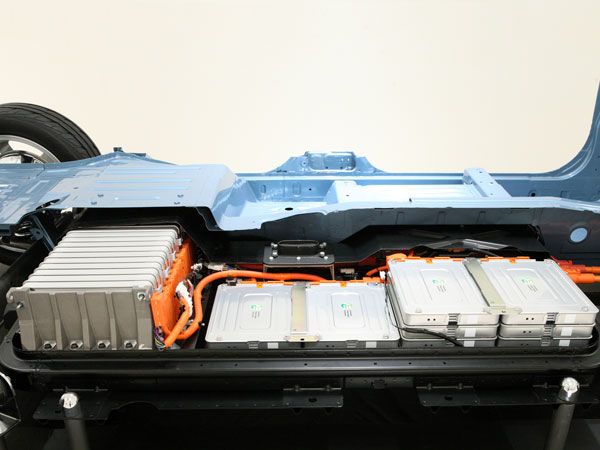
- Cell-to-Pack (CTP) Design: Manufacturers are developing innovative CTP designs that integrate the cells directly into the vehicle’s chassis structure, eliminating intermediate modules. This saves weight, simplifies assembly, and significantly increases the pack-level energy density—meaning a lighter battery with more usable space for cells, thereby extending range.
L. Ethical Sourcing and Supply Chain Security
The reliance on cobalt and other materials often sourced from high-risk regions poses ethical and supply chain security challenges that affect the long-term viability of battery-powered systems.
- Alternative Chemistries: The pursuit of sodium-ion, LFP, and high-nickel, low-cobalt chemistries is a direct response to the need for a more resilient and ethically sound supply chain.
- Domestic Processing: Significant investments in localizing the processing of raw materials (such as lithium refining and cathode production) reduce dependence on international shipping and geopolitical uncertainties, securing the supply chain necessary to support continued range expansion.
The Impact on Future Electrification
These breakthroughs are not just about making EVs travel further; they are about fundamentally enabling the transition to a sustainable, electrified world.
M. Electrifying Heavy Transport and Aviation
Current Li-ion batteries struggle with the power and energy density demands of semi-trucks, ships, and aircraft due to their immense weight requirements.
- Li-S and Solid-State Impact: The superior energy density of Li-S and solid-state technology is essential for these sectors. A high-density battery that is significantly lighter can finally make long-haul electric trucking and even regional electric flight commercially feasible, dramatically reducing global carbon emissions.
N. Decentralized Energy Grids
Battery breakthroughs are necessary to stabilize renewable energy sources like wind and solar, which are intermittent.
- Long-Duration Storage: The grid requires cost-effective, long-duration storage solutions (often for 8-100+ hours). Chemistries like Na-ion and flow batteries—which store energy in liquid tanks rather than solid electrodes—are ideal candidates due to their low cost per cycle and scalability, enabling the grid to rely less on fossil fuels during periods of low wind or solar generation.
The continuous innovation across materials science, chemistry, and system engineering is rapidly closing the performance gap between combustion engines and electric power. By maximizing energy density and minimizing cost and safety risks, these battery breakthroughs are not just powering longer range; they are powering a new industrial revolution, transforming the economics, sustainability, and technological capabilities of almost every major global industry.